

After the Dunwich Heath Fire: Why a Dry Summer Changes Your Autumn Chimney Checklist
August 11, 2026
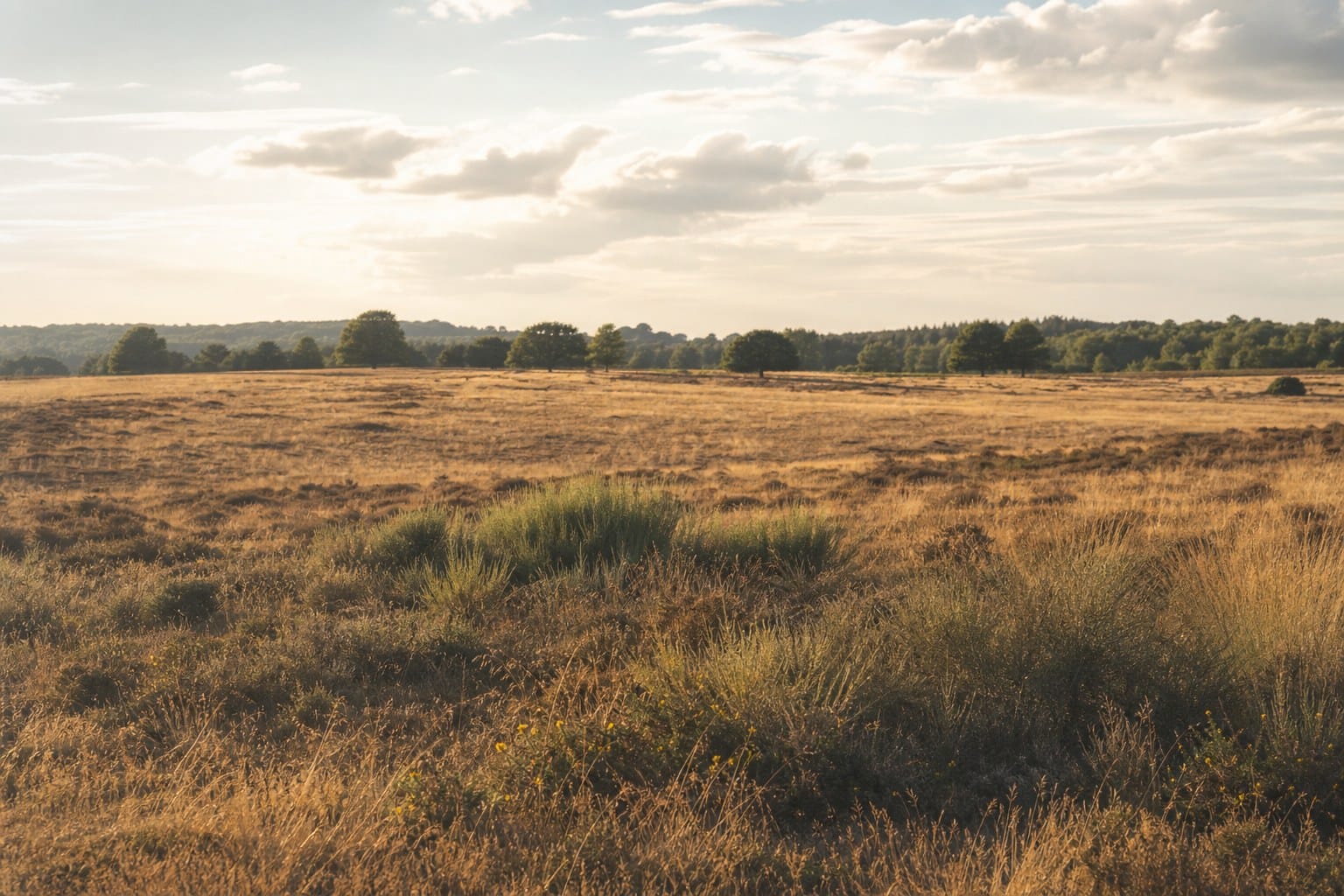
The wildfire at Dunwich Heath in late July was a sobering few days for Suffolk. Hundreds of acres of National Trust heathland burned, crews from across the county attended, and it took the better part of a week to bring fully under control. It was a reminder of just how dry this part of the country has been — and that has some direct consequences for chimneys as we head towards the heating season.
The scale of the risk we are already managing
Chimney fires are not rare events. There were 2,019 chimney fires recorded in England in 2024-25, and roughly 40% occurred in flues that had not been swept. The peak falls between January and March, once appliances have been running hard for a couple of months and deposits have built up.
For thatched properties the stakes are higher still: chimney fires are the leading cause of thatch fires in the UK. That is why we sweep thatched properties twice a year without exception.
What a dry summer actually does to your chimney
Three things, and none of them are obvious from the hearth.
1. Nesting and debris
A long dry spring and summer means a strong breeding season and plenty of dry material blowing about. Flues collect twigs, leaves and nesting debris more readily in dry years, and that material is far more combustible than the same debris would be after a wet summer. It also blocks the draw, which means a smoky, inefficient start to the season.
2. Dry surroundings around the stack
Sparks and embers leaving a chimney normally land on damp ground, damp thatch or damp foliage and go out. After months of little rain, they land on tinder. Dry gardens, dry hedging, parched fields and dry thatch all raise the consequence of an ember escaping — the same event with a very different outcome.
3. The first-fire temptation
After a dry warm spell, the first genuinely cold evening arrives suddenly and everyone lights a fire on the same night. That first fire of the season, up an unswept flue holding a summer's worth of debris, is the single most common origin of an early-season chimney fire we see.
Your autumn checklist
Straightforward, and worth doing before the weather turns rather than after:
- Book your sweep now. Not because we want the work — because September and October are our busiest weeks and slots go. Get it swept before the first cold snap, not three weeks after it.
- Have the flue checked, not just brushed. A proper sweep includes checking the condition of the flue and the appliance, and a smoke draw test to confirm it is venting correctly.
- Test your carbon monoxide alarm. Press the button. Replace the batteries. It takes thirty seconds and it is the one device that will warn you about the problem you cannot see or smell.
- Check your fuel store. Dry summers are excellent for seasoning wood, so this year's stack is likely in good shape — but check for anything that has been sitting damp underneath, and get a moisture meter on it if you are unsure. Under 20% is the target.
- Look at what surrounds your stack. Overhanging branches that have died back over a dry summer are worth cutting away from the chimney.
- Clear the hearth area. Kindling baskets, rugs and furniture that crept closer over summer should move back.
If you have a thatched property
Treat this autumn as non-negotiable. Twice-yearly sweeping, a careful look at the flue's condition, and sensible caution about how hard you run the appliance in the first few weeks. We are approved by the Thatch Advice Centre and we sweep a great many thatched homes across West Suffolk — the risk profile genuinely is different, and it deserves a different standard of care.
Booking ahead
The Dunwich fire will fade from the news, but the dryness it revealed is still sitting in the landscape and in your flue. A sweep before the season starts is the cheapest insurance available for a solid fuel appliance.
We are HETAS registered, qualified with the Guild of Master Chimney Sweeps, and Thatch Advice Centre approved, covering East Anglia within roughly 30 miles of Bury St Edmunds. To get a slot before the autumn rush, get in touch or read more about our chimney sweeping services.