

New Wood Burner Rules Proposed — What East Anglia Homeowners Need to Know
August 11, 2026
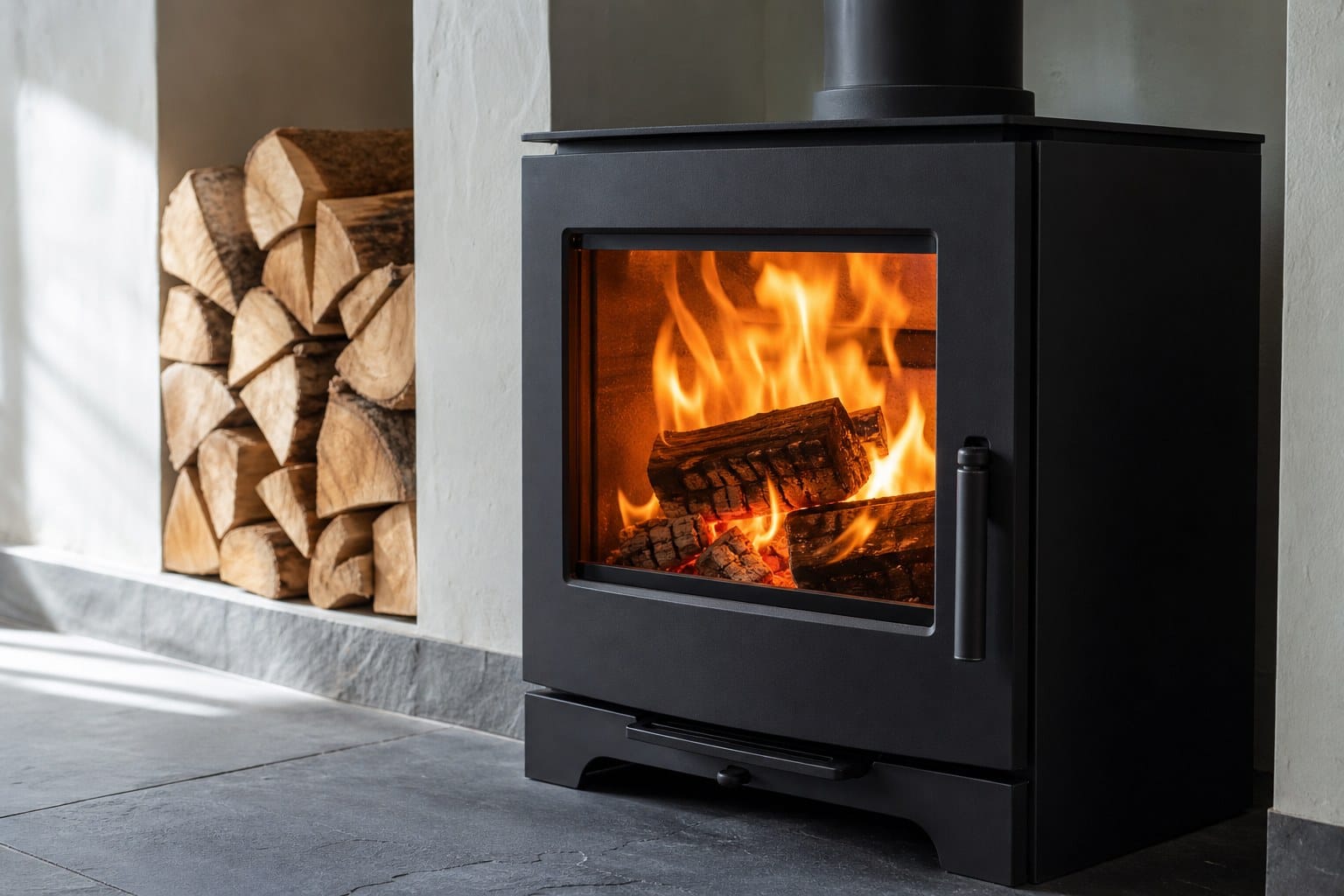
Every few months a headline appears suggesting wood burners are about to be banned. It causes a lot of worry among customers, and it is almost always an overstatement. Here is a calm look at what is genuinely being proposed, what it would mean in practice, and what is simply not happening.
First, the reassurance
Nobody is banning wood burners. There is no proposal to remove existing appliances from homes, no tax on stoves, and no requirement to rip out a stove you have already installed. If you have a compliant appliance and you burn dry, seasoned fuel properly, you are not the target of any of this.
What is being looked at is emissions — specifically particulate matter — and the direction of travel is towards cleaner appliances and cleaner fuel, not towards prohibition.
What is actually on the table
The proposals under discussion for solid fuel appliances centre on a few areas:
- A tighter emissions limit for new appliances. The suggested standard is considerably stricter than the current Ecodesign requirement. This affects what manufacturers may sell, not what you already own.
- Stronger enforcement on fuel. Clearer labelling requirements so it is obvious at the point of sale whether fuel is genuinely dry and approved, along with meaningful penalties for selling wet or unapproved fuel.
- Higher penalties for misuse in smoke control areas, with figures up to around £2,000 discussed for repeated offences.
The consultation process means the final shape of these will almost certainly differ from the first draft. It is worth watching rather than reacting to.
Smoke control areas in our region
This is the part that catches East Anglian homeowners out, because coverage is patchy and not obvious. Some of our towns have smoke control areas; plenty of surrounding villages do not. Within a smoke control area you may only burn authorised fuel, or use an exempt appliance — and enforcement powers sit with the local council.
If you are unsure whether you are in one, your local authority can tell you, and it is worth five minutes to find out. The rules are not new, but attention to them is increasing.
What this means for you in practice
For the overwhelming majority of our customers, the answer is: carry on, but burn well. The practical steps have not changed:
- Burn dry wood only. Under 20% moisture content. A cheap moisture meter costs very little and settles the argument instantly.
- Never burn treated or painted timber, chipboard, or household waste. It damages your flue as well as the air.
- Run the stove hot enough. A slumbering, starved fire produces far more smoke and lays down far more deposits than a properly burning one.
- Get the chimney swept regularly. A clean flue draws better, burns more efficiently and produces fewer emissions.
There is a neat overlap here: everything that reduces emissions also reduces your fuel bill and your risk of a chimney fire. Good practice is not a compliance chore, it is simply how you get the most out of an appliance.
If you are buying a new stove
Buy an Ecodesign compliant appliance from a reputable manufacturer, and have it installed by a HETAS registered installer. That gets you a properly certificated installation, an appliance that will remain compliant as standards tighten, and considerably better efficiency than an older stove. If you are replacing something from the 1990s, the difference in both output and fuel use tends to surprise people.
The honest summary
Wood burning is under more scrutiny than it was ten years ago, and that is unlikely to reverse. But the regulatory direction is about cleaner burning rather than removing appliances, and the people affected by tighter rules are the ones burning the wrong things badly. Burn dry fuel, run the appliance properly, keep the flue swept, and none of this should trouble you.
If you would like your appliance and flue checked over, or you want an honest opinion on whether an older stove is worth replacing, get in touch. We are HETAS registered and qualified with the Guild of Master Chimney Sweeps, covering East Anglia within around 30 miles of Bury St Edmunds. You can also see our full range of services.